
The fastest way to syndicate car listings is a self-serve, advert-only feed with automated syncs, pushed to a short list of priority platforms rather than routed through a support ticket. Set it up once, and every new unit hits the market within hours instead of days.
Start here:
- Google Vehicle Listings (VLA) for free organic exposure on Google surfaces
- Facebook Marketplace and Facebook Ads for local, high-intent shoppers
- Amazon Autos for a growing storefront audience with its own onboarding rules
- Major classifieds like AutoTrader and Cars.com for broad reach
Get this right and the payoff shows up in two numbers dealers actually watch: less time on the lot, more leads per unit.
Key Takeaways
Self-serve, advert-only syndication with automated cadence to Google VLA, Facebook, and Amazon Autos gets vehicles live faster while keeping cost and margin data internal.
| Point | Details |
|---|---|
| Prioritize the right platforms | Start with Google Vehicle Listings, Facebook Marketplace and Ads, and Amazon Autos before broader classifieds. |
| Keep feeds advert-only | Never let cost, floorplan, or margin fields into any syndicated listing object. |
| Reconcile daily, sync often | Pair manifest and hash diffing with webhooks to catch changes without re-polling full feeds. |
| Remove sold units immediately | Automate delisting to prevent duplicate or stale listings from damaging customer trust. |
| Track platform-level ROI | Measure leads, cost per lead, and days on lot by platform to see what’s actually working. |
| Protect financials with the right software | Loturn keeps per-car profit data internal while supporting listing feeds that expose only advert-safe fields externally. |
Developer Docs And Platform Pages Worth Bookmarking
- Google vehicle listings developer documentation
- Amazon Autos dealer onboarding overview
- Dealership inventory syndication API docs
Table of Contents
- How Car Listing Syndication Actually Works
- Where To Syndicate First And What Each Platform Requires
- Your Weekly Checklist To Get Vehicles Live
- Getting Clicks: Listing Optimization By Platform
- Keeping Feeds Accurate Without Exposing Your Numbers
- How Loturn Keeps Syndication Fast And Financials Private
- What Syndication Actually Costs
- Staying Compliant While Your Listings Multiply
- Tracking Whether Syndication Is Actually Working
- Avoiding Duplicate Listings And Stale Inventory
- Connecting Syndication To Your Inventory And CRM
- Get Your Listings Live Without Exposing Your Numbers
- Sources
- FAQ
How Car Listing Syndication Actually Works
Syndication runs on three moving parts: a feed, an advert object, and a reconciliation process. Understanding each one keeps your internal numbers safe while your listings stay fresh everywhere they need to be.
- The feed is the file or connection that carries your inventory data out to each platform, usually as CSV, XML, JSON, or a direct listings API call.
- The advert-only listing is a curated, public-facing subset of that vehicle’s record: VIN, trim, mileage, price, and photos. Nothing about your acquisition cost, floorplan interest, or margin should ever touch this object.
- Reconciliation confirms every platform still shows what your lot actually has. Modern syndication APIs support manifest and hash based diffing, so instead of re-sending your whole inventory every hour, the system checks what changed and pushes only that delta.
Webhooks matter here too. A platform that notifies you the moment a listing goes live, gets flagged, or gets removed saves you from manually refreshing dashboards, and it catches errors before a shopper does.
Pro Tip: Before connecting a new platform, ask whether it exposes a listings-only endpoint separate from any account or billing API. If cost data and public listing data share one connection, you have a leak waiting to happen.
Where To Syndicate First And What Each Platform Requires
Not every platform deserves equal attention out of the gate. Prioritize by volume and friction, not by how many logos you can collect.
- Google Vehicle Listings is an organic program, distinct from paid Google vehicle ads, and it rewards complete, accurate feeds with consistent visibility across Google surfaces.
- Facebook Marketplace and Ads convert well for local shoppers but enforce strict photo and pricing display rules, and listings can get suppressed for vague descriptions.
- Amazon Autos lets dealers list used and certified pre-owned inventory through an online storefront, though eligibility, brand support, and buyer pickup flow vary by metro, so confirm onboarding status before you count on it for a launch market.
- AutoTrader, Cars.com, and other major classifieds still drive strong organic search traffic and remain worth the feed mapping effort for most independent dealers.
Some of these are pure listing surfaces; others let you pay to boost placement. Know which is which before you budget ad spend against a channel that was already free.
Your Weekly Checklist To Get Vehicles Live
You don’t need a six-month rollout to start syndicating. Most dealers can go from zero to live listings in under a week if they work through these steps in order.
- Audit your inventory data. Confirm every vehicle has a complete VIN, accurate mileage, and at least eight clean photos before it touches a feed.
- Build a listings-only feed. Map your fields to each destination’s schema, keeping cost, floorplan, and reserve fields out entirely.
- Set your sync cadence. Hourly syncs work well for price and status changes; daily full reconciliation catches anything a webhook missed.
- Test with one vehicle first. Push a single unit live, verify it displays correctly on each platform, then scale to the full lot.
- Confirm lead routing. Every inquiry from every platform should land in your CRM, not a personal inbox someone forgets to check.
- Pull sold units immediately. A listing that outlives the sale is the single fastest way to lose a customer’s trust before they’ve even called.
- Lock down permissions. Only specific roles should be able to edit feed mappings, preventing an accidental export of internal pricing data.
Pro Tip: Run your first full sync on a slow day, not a Saturday. If a field mapping breaks, you want time to fix it before your busiest lot traffic hits.
Getting Clicks: Listing Optimization By Platform
A technically correct feed still won’t sell cars if the listing itself is thin. Photos and copy carry more weight than most dealers assume.
- Lead with a clean exterior shot in good light, then interior, engine bay, and any wear you’d rather disclose upfront than explain later.
- Add a 360 view or short video walkaround where the platform supports it. It rarely hurts and often keeps shoppers on the listing longer.
- Write platform-specific headlines built around VIN-verified specs: trim, drivetrain, mileage, and any CPO or warranty status.
- Show the asking price clearly. Never let cost or margin fields make it into public copy, even accidentally through a mismapped feed.
Platform-optimized listings with correct photos, VIN-backed specs, and tailored copy tend to reduce days on lot and increase lead volume, which is really the whole point of syndicating in the first place. The tighter the sync between your inventory system and your public listings, the less chance a sold car sits live somewhere collecting dead leads.
Keeping Feeds Accurate Without Exposing Your Numbers
Fast syndication only helps if the data behind it stays trustworthy and private. That means building real operational habits, not just flipping a switch once.
- Run manifest diffs against each platform daily, supplemented by webhooks for anything time-sensitive like price drops or sold status.
- Keep your advert-only feed structurally separate from your accounting and floorplan systems. Security guidance on sensitive data exposure is blunt about this: the fewer systems that touch cost data, the fewer chances it leaks.
- Set alerts for feed errors, duplicate VINs across platforms, and any listing that hasn’t updated in more than a few days.
- Name one person as the syndication owner, with a clear turnaround time for fixing a broken feed. Nobody should be finding out about a dead connection from a customer complaint.
Pro Tip: Treat every published listing as read-only from the platform’s side. If a platform can write back into your internal records, you’ve built a two-way door where only one direction should exist.
How Loturn Keeps Syndication Fast And Financials Private
Loturn was built around the exact tension this article keeps circling back to: dealers need listings live everywhere, fast, without their real numbers ever leaving the building.
- Loturn tracks true per-car cost, from acquisition through recon and transport, entirely inside the platform, so what syndicates out is only the advert-safe subset: price, specs, photos.
- Setup includes free data import and bank-level encryption, so dealers move off spreadsheets or a legacy DMS without losing history or exposing files mid-transfer.
- The Dealer Academy publishes procedural guides for mapping feeds and running reconciliations, aimed at dealers doing this setup themselves rather than waiting on a vendor’s support queue.
- The result is the same pattern recommended throughout this piece: public listings move fast, internal margins stay internal.
What Syndication Actually Costs
Pricing across syndication platforms breaks into a few recognizable patterns, and knowing them upfront keeps you from overpaying for reach you don’t need yet.
Organic listing programs like Google Vehicle Listings carry no direct fee for the listings themselves; the cost is the engineering or software time to build and maintain the feed. Amazon Autos has run promotional periods with no transaction fees for certain vehicle categories, though dealer participation and brand support still vary by market, so confirm current terms before assuming a channel is free.
Paid channels work differently. Facebook Ads and boosted classifieds listings run on a spend model you control directly, meaning cost scales with how aggressively you want a specific unit or segment pushed. Full-service classifieds sites like AutoTrader and Cars.com typically charge subscription fees tied to how many units you list and which placement tiers you buy into.
Then there’s the tooling layer: the software that builds your feed, maps fields, and manages the sync cadence across every destination. Some vendors charge per platform connected, others charge a flat monthly rate regardless of how many feeds you run. Platforms offering unlimited feed sends and batch editing tend to cost more upfront but save real labor hours once your inventory count climbs past a few dozen units.
Budget for setup time as its own cost. Even a self-serve feed takes a few hours to map correctly the first time, and that investment is what makes every future vehicle close to free to list.
Staying Compliant While Your Listings Multiply
More platforms means more surfaces where a pricing error, a missing disclosure, or a stale photo can turn into a legal problem, not just a customer complaint.
Advertising standards enforced by the Federal Trade Commission apply to every platform your listings touch, not just your own website. That means accurate pricing, honest mileage, and no bait-and-switch tactics where a syndicated price doesn’t match what’s actually available when a shopper calls. State-level consumer protection laws often layer on additional disclosure requirements, particularly around as-is sales, warranty language, and advertised versus final price.
The advert-only listing pattern this article recommends does double duty on compliance. Keeping cost and floorplan data out of public feeds isn’t only a security practice, it also reduces the risk of a shopper seeing internal numbers that contradict your advertised price, which can trigger deceptive advertising complaints in some states.
Duplicate or outdated listings create their own compliance exposure. A sold vehicle still showing as available across three platforms isn’t just sloppy, in some jurisdictions it edges into false advertising if a customer drives in expecting a car that’s gone. Build removal into your sync cadence, not as an afterthought.
When in doubt on a specific state’s disclosure rules, check your dealer forms and compliance resources rather than assuming national rules cover every local requirement.
Tracking Whether Syndication Is Actually Working
Pushing listings to five platforms means nothing if you can’t tell which ones are producing leads worth the effort.
Track lead volume per platform first. That’s the baseline number that tells you whether Amazon Autos, Facebook, or a classifieds site is pulling weight for your specific inventory mix. Cost per lead follows naturally from that, factoring in any subscription fees or ad spend tied to each channel.
Days on lot by platform origin is the metric most dealers skip and shouldn’t. If vehicles sourced from one platform’s leads sell faster than others, that’s a signal to shift budget and attention there. Conversion rate from lead to appointment, and appointment to sale, tells you whether a platform is sending curious browsers or serious buyers.
Feed health belongs on this list too: error rate, sync delay, and how often a listing goes stale before someone catches it. A platform with great lead numbers but constant feed errors is costing you more in labor than the leads are worth.
Review these metrics monthly at minimum, weekly if you’re running a high enough volume that a broken feed for three days actually shows up in your numbers. The dealers who treat this like a real reporting cadence, not a once-a-quarter glance, are the ones who catch a dying channel before it drains a month of ad spend.
Avoiding Duplicate Listings And Stale Inventory
The fastest way to lose customer trust is a listing that doesn’t match reality, and syndication across multiple platforms multiplies the chances of that happening.

Duplicate listings usually stem from one of two causes: a vehicle re-entered into inventory after a failed sale without clearing its old listing, or a feed sync that ran twice before the first pass finished. Both are fixable with the same discipline: treat your inventory management system as the single source of truth, and never let a platform’s own listing tool become a second place where vehicle status gets edited.
Stale inventory, meaning listings for cars that sold days ago, is arguably worse for reputation than a duplicate. It’s the reason a customer shows up expecting a vehicle that left the lot on Tuesday. The fix is procedural: sold status should trigger an immediate removal request across every syndicated platform, ideally automated rather than dependent on someone remembering to log in and delete it manually.
Price mismatches between your website and a syndicated listing create a milder version of the same problem, but they erode trust just as fast. If you drop a price internally, that change needs to propagate everywhere within your sync window, not sit stale on a classifieds site for two days while your own site shows the new number.
Connecting Syndication To Your Inventory And CRM
None of this works well as a manual process once you’re running more than a handful of active listings at a time.
Your dealership inventory management system should be the origin point for every syndicated feed, not a separate spreadsheet someone updates after the fact. When a vehicle’s status, price, or photos change in your core system, that change should flow outward automatically to every connected platform, rather than requiring someone to remember which of five sites needs a manual update.
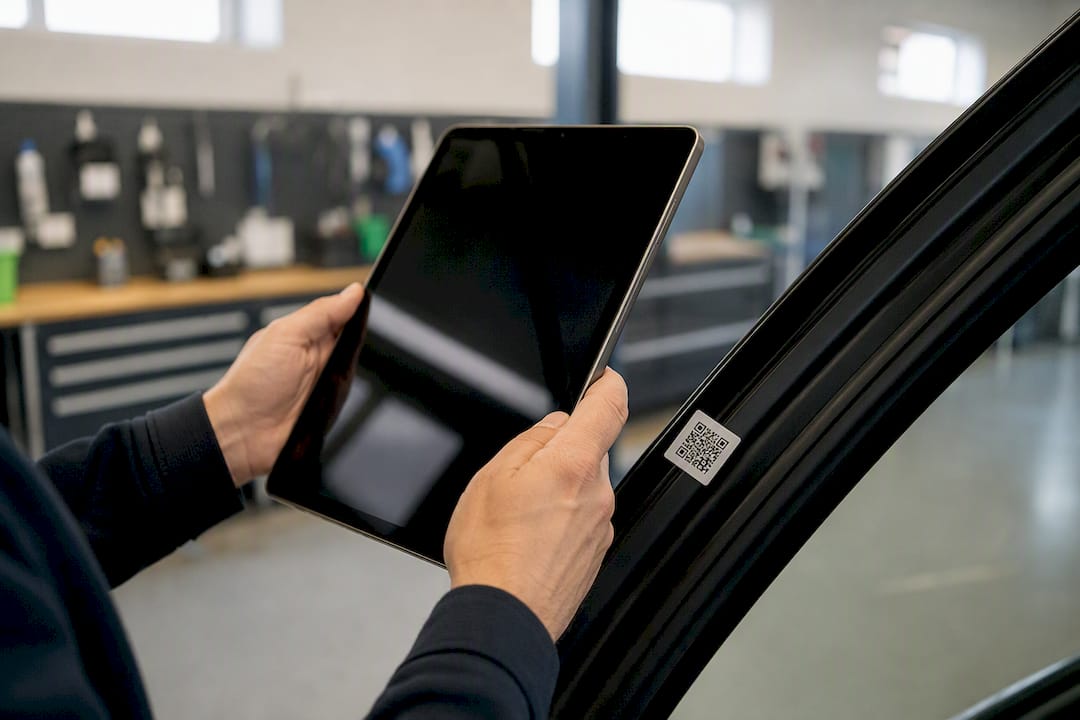
CRM integration matters just as much on the incoming side. A lead generated from Amazon Autos or a Facebook ad should route directly into your CRM with the source platform tagged, so your sales team knows where to follow up and your reporting can actually attribute the sale correctly. Leads that land in a generic inbox or get manually re-entered lose both speed and attribution accuracy.
The dealers getting the most out of syndication tend to run inventory management software that already handles feed mapping and reconciliation natively, rather than stitching together a spreadsheet, a separate feed tool, and a CRM that doesn’t talk to either one.
A Dealer’s Take On Speed, Margin, and Getting Out of Your Own Way
Every extra day a car sits before its listing goes live is a day of holding cost with zero revenue attached. Shave two days off that lag across a fifty-unit lot and the margin impact compounds fast, often more than any single pricing tweak. Speed to market isn’t a nice-to-have metric, it’s the lever most dealers underuse because they’ve outsourced it to someone slower than they are.
— Eric Dosset
Get Your Listings Live Without Exposing Your Numbers
Loturn is built for exactly the workflow this article walks through: syndicate vehicle listings fast while keeping true per-car cost, recon spend, and margin locked down internally where they belong. Instead of juggling a separate feed tool, a spreadsheet for costs, and a CRM that doesn’t talk to either, Loturn tracks acquisition price, transport, and recon per vehicle in one place, so what goes out to Google VLA, Facebook, or Amazon Autos is only ever the advert-safe subset.
Setup includes free data import and bank-level encryption, so moving off a spreadsheet or an aging DMS doesn’t mean losing your inventory history or exposing files mid-transfer. If you’re currently tracking costs one way and listings another, see how Loturn’s per-car profit tracking fits into a faster syndication workflow, or start a trial and import your current inventory this week.
Sources
FAQ
What Is The $3,000 Rule For Buying Cars?
The rule generally refers to advice that a used vehicle needing repairs relative to its value probably isn’t worth buying, though the exact threshold varies by source and vehicle price point.
How Much Does A Car Salesman Make On A $10,000 Car?
Commission structures vary widely by dealership, but salespeople typically earn a percentage of the front-end gross profit on a sale rather than a fixed amount, which is one reason accurate per-car profit tracking through a system like Loturn matters for setting fair, sustainable pay plans.
What Is The Hardest Color Car To Sell?
Less common colors like purple, orange, and gold tend to sit longer on lots than neutral colors such as white, black, gray, and silver, which consistently see faster turnover across most markets.
What Should You Never Reveal To The Dealer When Negotiating?
Buyers are generally advised not to reveal their maximum budget, monthly payment target, or how eager they are to buy immediately, since that information can weaken their negotiating position on price.
Is Google Vehicle Listings The Same As Google Vehicle Ads?
No. Google Vehicle Listings is an organic program that displays inventory across Google surfaces for free, while Google’s vehicle ads are a separate paid product.